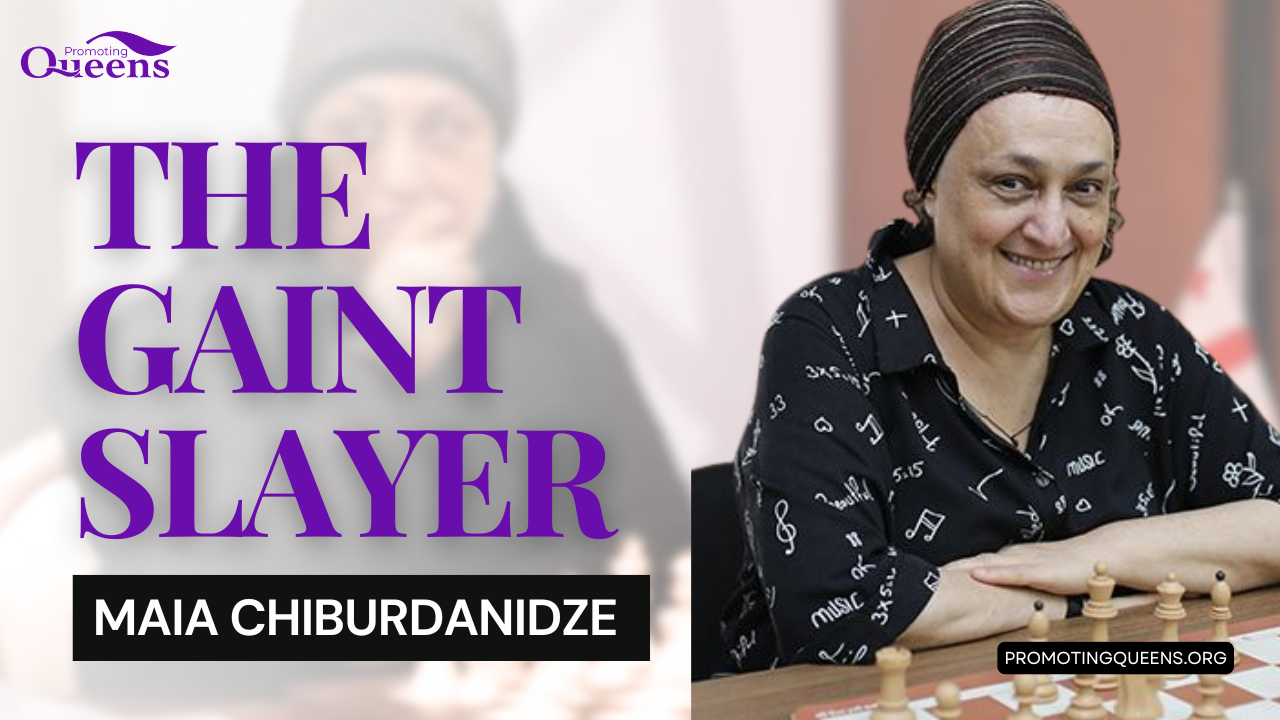
She was seventeen when she sat across from a woman who had ruled the chess world for sixteen years. Nobody expected her to win. She did anyway, and became the youngest Women's World Chess Champion in history.
Who Is Maia Chiburdanidze?
Maia Chiburdanidze was born on January 17, 1961, in Kutaisi, Georgia, then part of the Soviet Union. She is a Georgian chess grandmaster and the sixth Women's World Chess Champion a title she held for thirteen years, longer than almost any woman in the history of competitive chess.
How Did Maia Chiburdanidze Start Playing Chess?
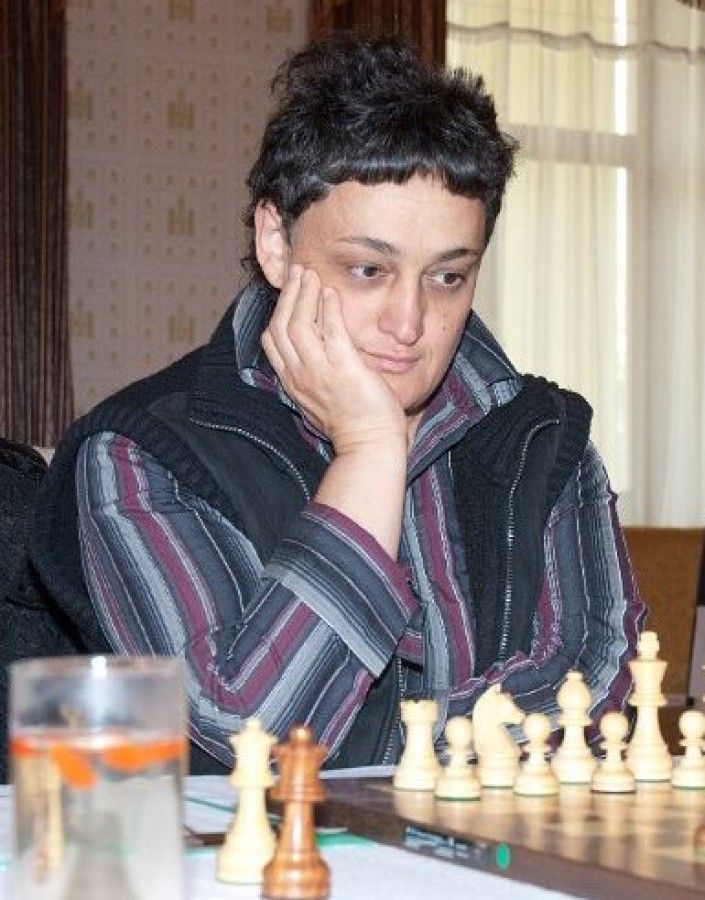
She picked up chess around age eight, in a country where the game was already treated as something close to a national religion. Her coach, the Soviet trainer shaped her with a style built on calculation, patience, and nerve. By thirteen she'd won her first international chess tournament, in Braşov, Romania. At fifteen, she was USSR girls' chess champion. At sixteen, she took the full USSR Women's Chess Championship, beating grown women who had been competing since before she could read.
She kept getting placed in front of opponents who were older, stronger, and more experienced. She kept showing up anyway.
Maia Chiburdanidze's World Championship Title and Career Achievements.
In 1977, she qualified for the Candidates cycle and won three matches in a row to earn a shot at the world title. That set up the match in Pitsunda, 1978: seventeen-year-old Maia Chiburdanidze against Nona Gaprindashvili, the reigning Women's World Chess Champion of sixteen years. Chiburdanidze won 8½–6½ and became the youngest Women's World Chess Champion in history a record that stood for over thirty years until Hou Yifan broke it in 2010.
She defended her world title four times before finally losing it in 1991, a thirteen-year reign that remains one of the longest in the history of women's chess. In 1984, she became only the second woman ever awarded the full FIDE Grandmaster title, after Gaprindashvili herself. Playing board one for the Soviet Union at the Chess Olympiad, she helped win five consecutive team golds and lost just one game out of 76 between 1978 and 1990. Opponents nicknamed her "the female Fischer" for how rarely she blundered under pressure. She kept competing at elite level for decades after losing her crown, reaching Women's World Championship semifinals in both 2001 and 2004, and was still winning Olympiad medals into her forties.
Why Should You Care About Maia Chiburdanidze's Story?
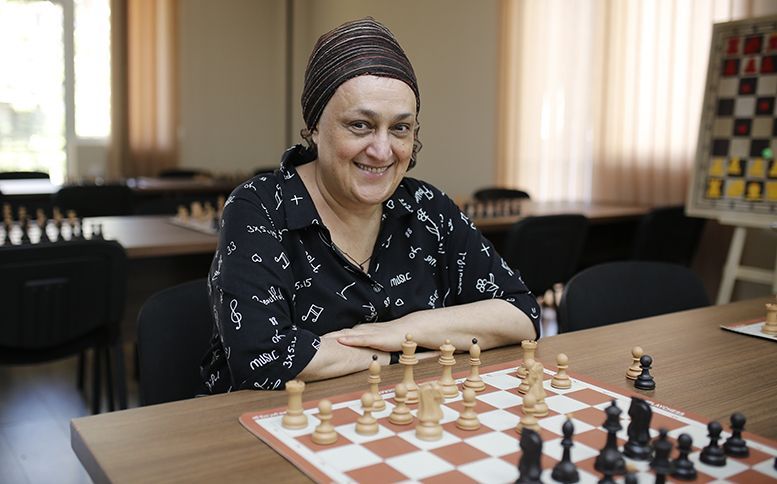
People tend to assume that some positions are permanent and that the person holding the title has already proven they can't be beaten. Chiburdanidze didn't accept that assumption. She treated Gaprindashvili's record as a target.
At Promoting Queens, we believe chess teaches girls that seniority isn't the same as certainty and that the right preparation earns you a seat at any table, no matter who's already sitting there or how long they have been holding the title.
If this story moved you, there's something you can do about it.
Support the girls we're building this for. Donate, Volunteer, or Partner With Us. Every contribution keeps chess in the hands of girls who need it most.