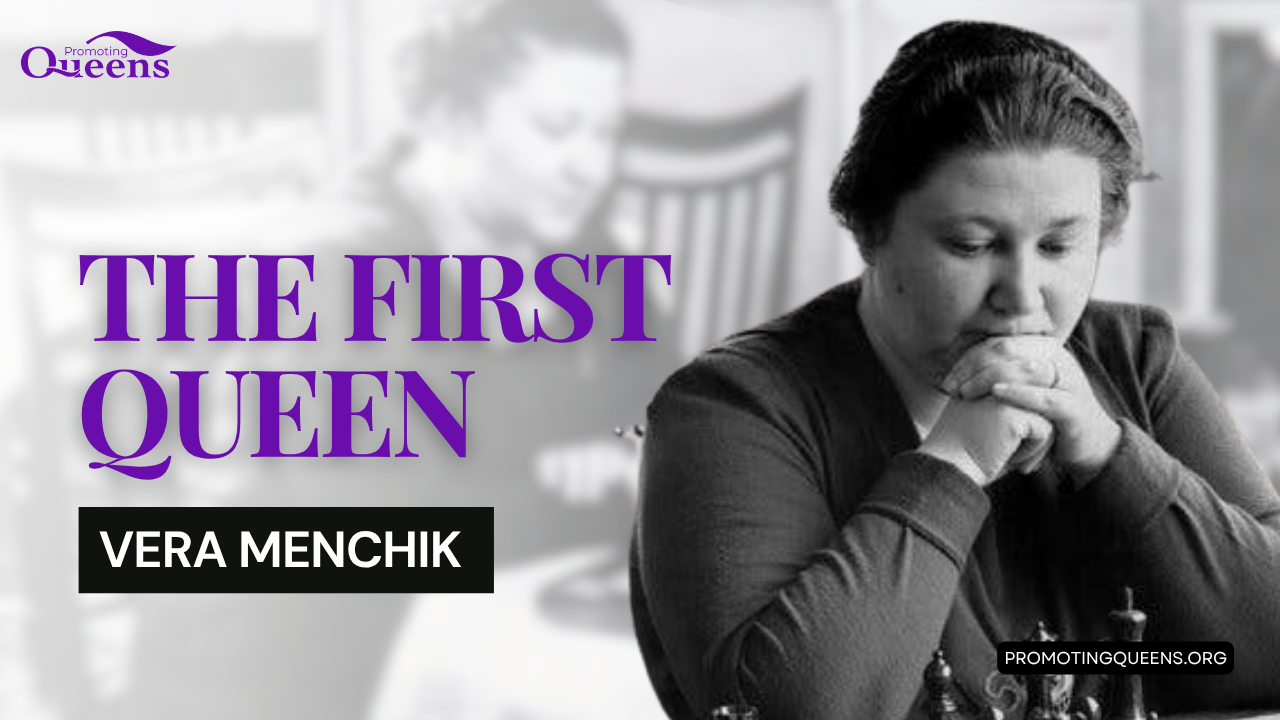
There was no title to inherit and no path to follow. Before Vera Menchik, a woman had never been world champion at anything resembling this game. She didn't wait for the role to exist. She built it.
So who is Vera Menchik?
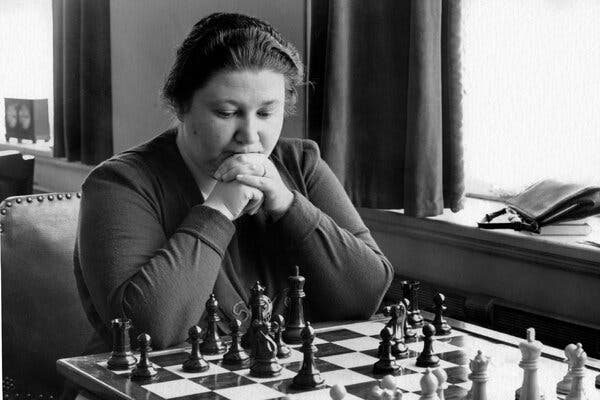
Vera Menchik was born on February 16, 1906, in Moscow, to a Czech father and an English mother. She is the first Women's World Chess Champion in history. When the Russian Revolution forced her family to flee to England as a teenager, chess wasn't a comfort she fell back on. It was the one thing in a disrupted life she got to build from scratch, on her own terms.
How Did She Start?
England in the 1920s had no real chess infrastructure for women, no clear category, no expectation that one was needed. Menchik trained anyway, under some of the country's sharpest coaches, entering open club events where she was often the only woman in the room.
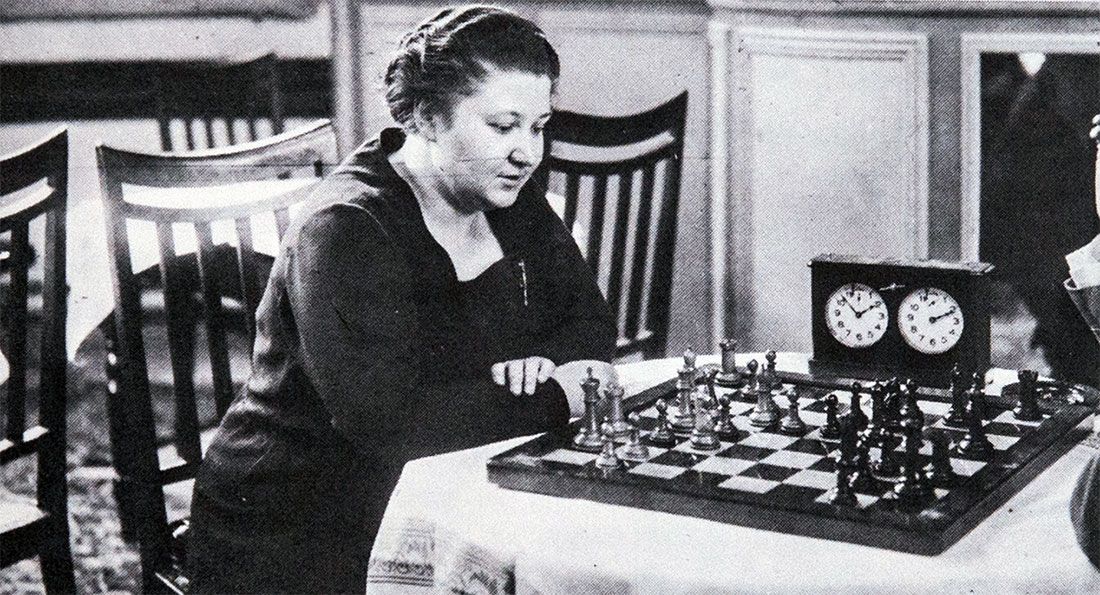
In 1927, FIDE created the first Women's World Chess Championship. Menchik won it. Then she defended it seven more times and never lost the title for the rest of her life.
What Has She Achieved?
Winning the women's title wasn't where she stopped. Menchik entered open tournaments against the strongest men of her generation, at a time when several reportedly refused to play her at all. Others joked that any man who lost to her would join the "Vera Menchik Club," a jab meant to humiliate. She turned it into a badge some of the world's top grandmasters unwillingly earned, including future World Champion Max Euwe, whom she defeated outright. She kept sitting down at boards she wasn't expected to sit at, and kept winning at them.
Why Should You Care?
Because someone always has to be first, and being first rarely comes with applause. It comes with doubt, with rules that weren't written for you, with rooms that assume you're in the wrong one.
The girls we work with across africa are often the first in their families to be taken seriously at anything resembling a boardroom, a tournament, or a leadership table. Sometimes that means walking in without a blueprint. Sometimes it means being the "first" someone in your own family or town has ever seen do this.
Vera Menchik had no one ahead of her to prove it was possible. She played anyway. She won anyway. And by the time the world caught up to what she'd built, there was finally a category, a title, and a history for every girl who came after her to stand on.
At Promoting Queens, we believe chess teaches girls that being first isn't a burden to shrink from. It's a foundation to build on.
If this story moved you, there's something you can do about it.
Support the girls we're building this for. Donate, Volunteer, or Partner With Us. Every contribution keeps chess in the hands of girls who need it most.
Be the first to comment.